
AI car ad for a car that is still in the production process
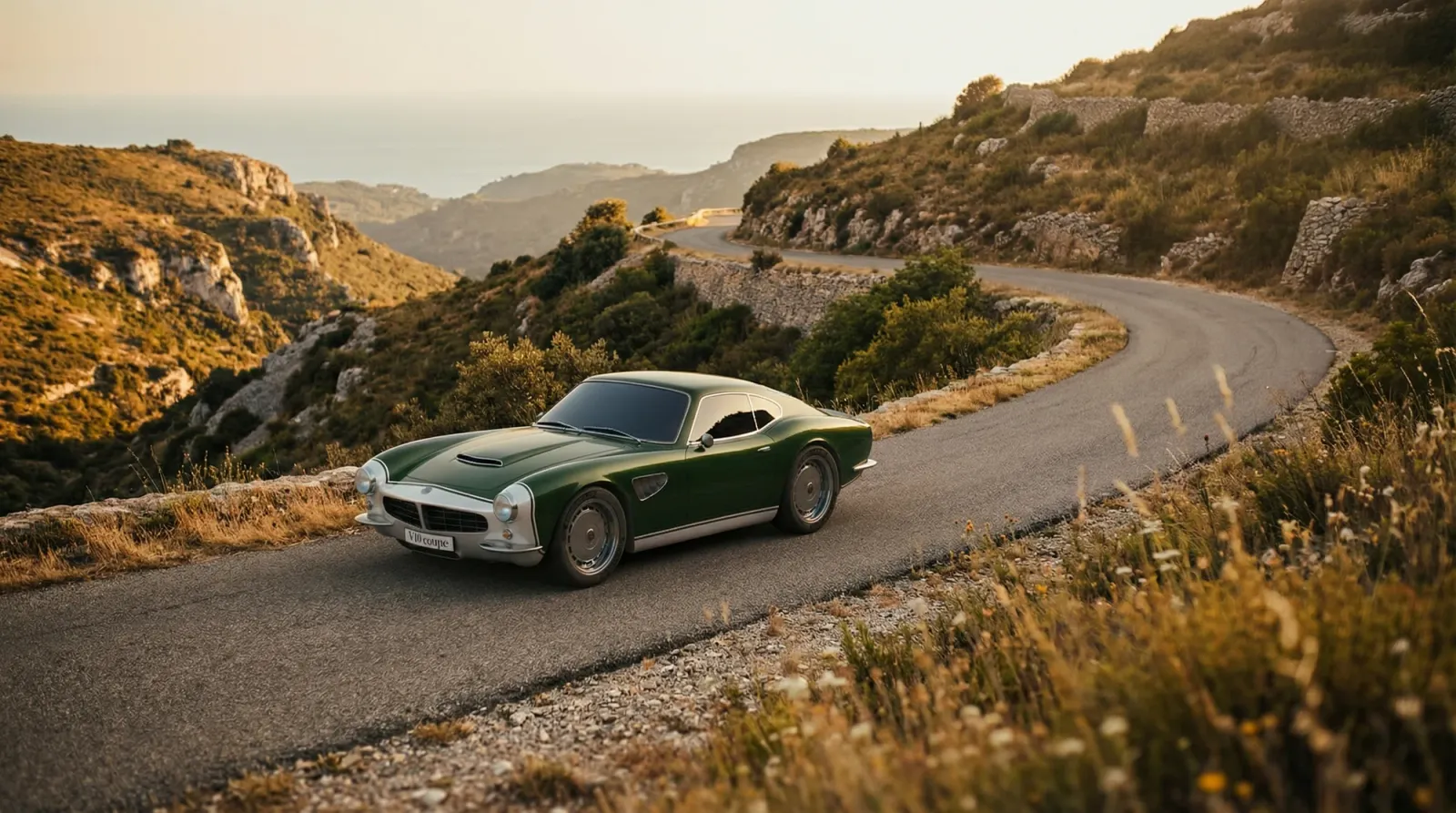
Norman is a Latvian car manufacturer that builds exclusive cars to order — normanauto.eu. My job was to put together a video presentation for a car that wasn't finished yet, but the client already needed to show potential buyers what it would look like once it was.
NORMAN V10 COUPE. The 1950s and 1960s were the golden age of automotive design. The BMW 507, made exclusively with convertible bodywork, is undoubtedly one of the most striking representatives of that era. Our aim was to build a fastback coupe close to that car, but with modern technical characteristics, safety and everyday practicality, while keeping the charm of the 1950s.
Starting From the Client's 3D Renders
The client gave me 3D renders from several angles and the interior — that was the starting material.
The Script, and First Attempts With Nano Banana Pro
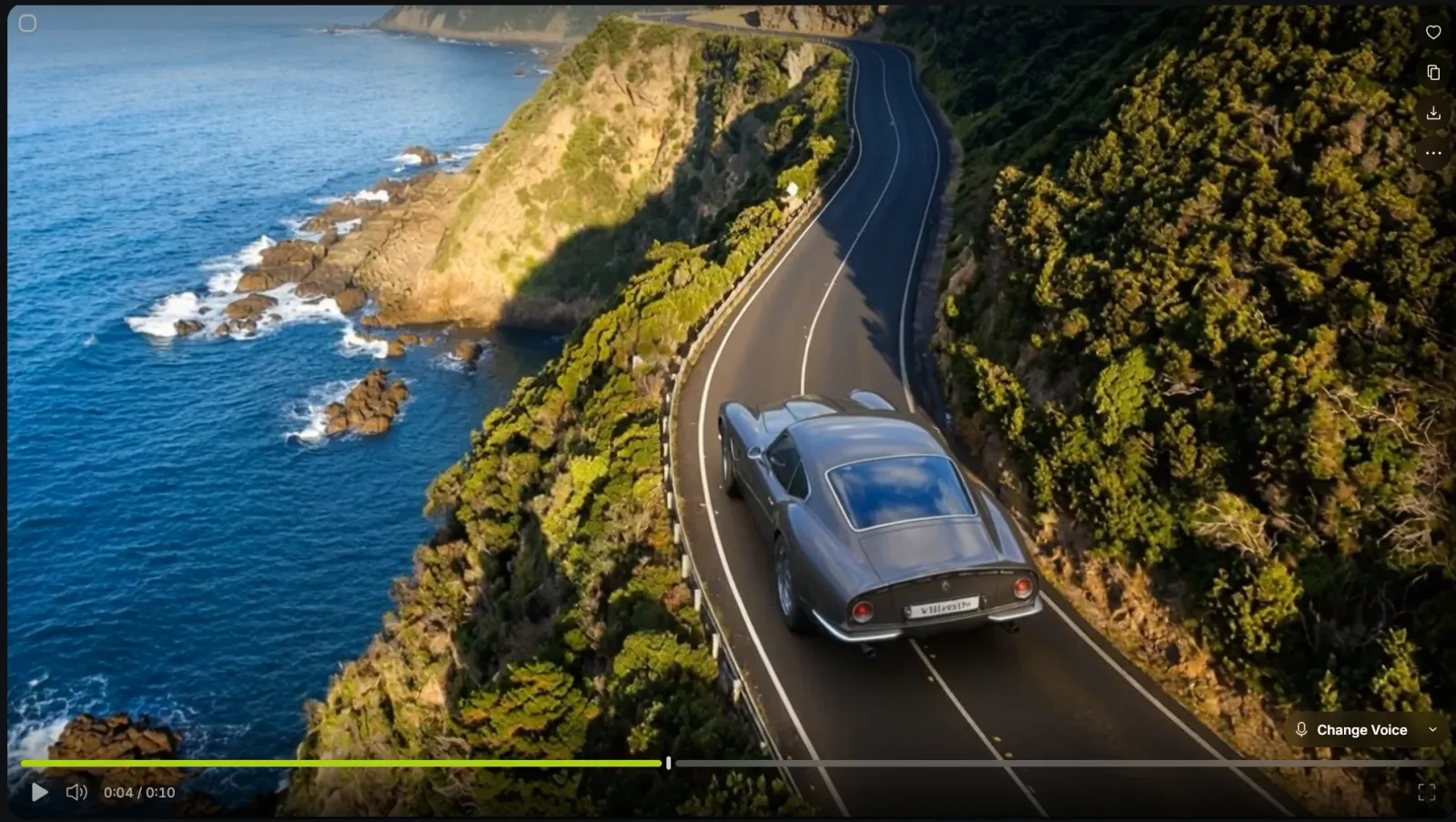
I started with a script where the car drives through various European countryside locations — winding roads, nice scenery. I rendered the stills with Nano Banana Pro, which was the best tool available at the time, but even there only about one out of every five renders was usable. The car would sometimes render with distorted text — any lettering or logos came out badly and had to be added back on top in Photoshop, image by image. Another big issue was the car's proportions relative to the road:
Kling 2.6 and the First Video Attempts
I tested several AI platforms and eventually settled on Higgsfield, a platform with a range of AI image and video generation tools built in. At the time, Kling 2.6 was one of the leading video generation models. The first clip came with plenty of difficulties — the car wasn't consistent, the front and back kept changing, and there was no unified style across the length of the video. The biggest problem: even when the prompt clearly said the car should drive on the right side of the road, the render sent it wherever it felt like — sometimes even in reverse.
Even with the prompt asking for calm, steady driving, the renders had the car drifting, sometimes running clean off the road and melting into water — like in this genuinely funny clip:
When the AI decides the car is actually a boat
My kids were following along with this project, and this exact scene was their favorite — they made me play it over and over.
The First Result
I cut all the short, roughly 10-second clips together in Adobe Premiere Pro. Here's the first result — I was genuinely happy just to have something working at all, and that this was even possible. The client wasn't fully happy though, since a lot of the technical details didn't match reality.
First version
Kling 3.0 and Better Results
Then Kling 3.0 came out, and it was noticeably easier to work around these problems. I could feed it stronger references, and the model read the brand's details — logos, trim — much more accurately. You could also set a start and end frame, but if you want continuous motion in a car ad, you need a trick — if the first frame has the car in it, it usually starts from a standstill, and I needed motion the whole way through. So I'd use a frame without the car as the start and add the car only as the last frame. That still wasn't foolproof, so I ended up rendering longer clips and cutting out the start or end where the car was stopping or pulling away.
Building My Own Voiceover App
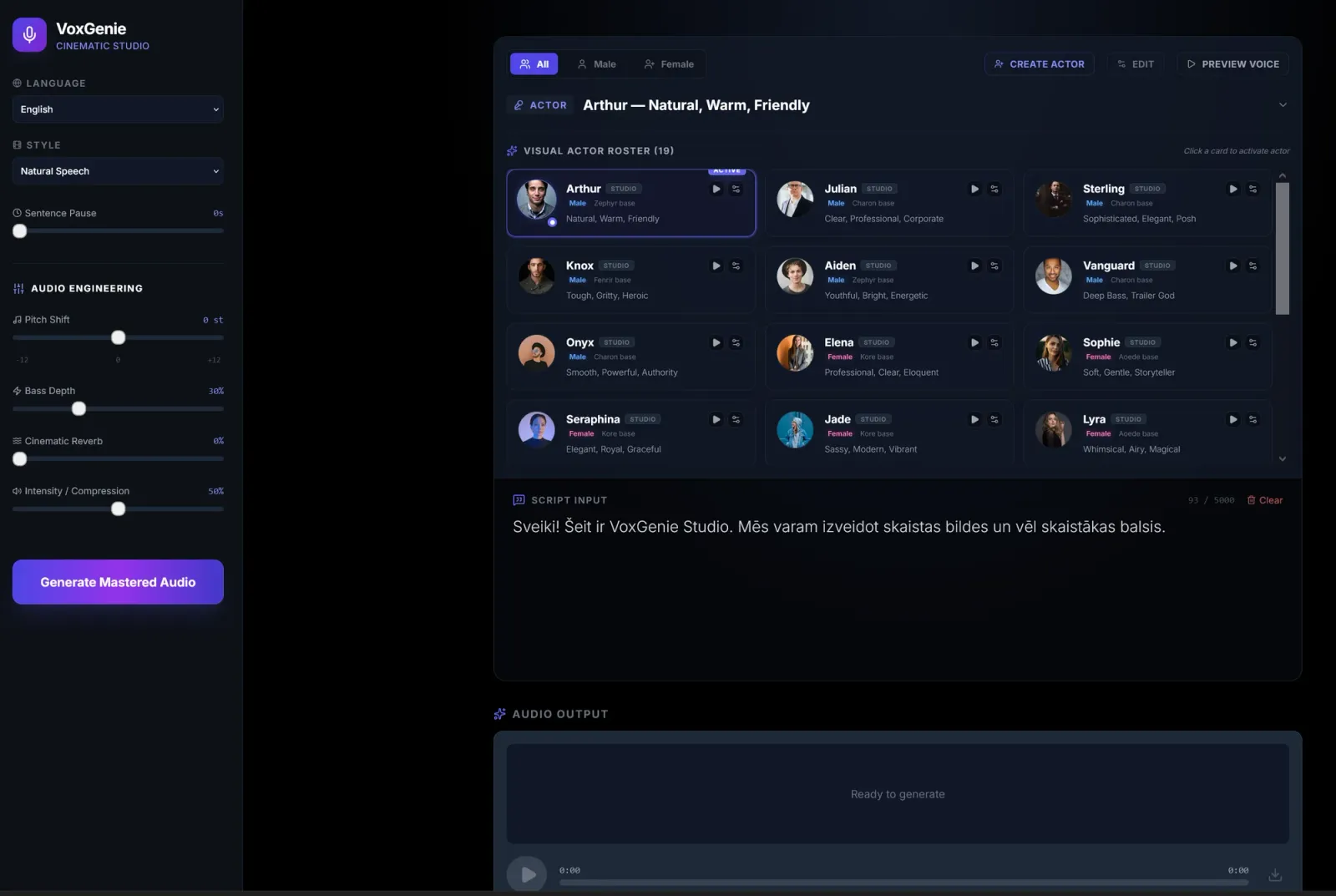
One more thing worth mentioning — I built my own voice-over AI app, where I can create different voices, tones and intonations. For this clip I wanted a low male voice with the kind of delivery you'd hear from a Hollywood trailer actor, with digital Dolby-level sound quality.
The Result (For Now)
In the end I landed on a version that's more or less solid:
Current version
This video is a non-commercial artistic experiment and technology demonstration, made to show the capabilities of artificial intelligence (AI) in video production. The figures depicted are digitally generated and are not associated with any real people or their endorsement.
This isn't the end of it, though — the new Seedance 2.5 model just came out, and I'm putting a lot of hope in it. It looks like it can handle pretty much any ambitious idea you throw at it, so there's more to come. If you're curious, follow my projects — you'll pick up a lot of interesting, real experience along the way.